


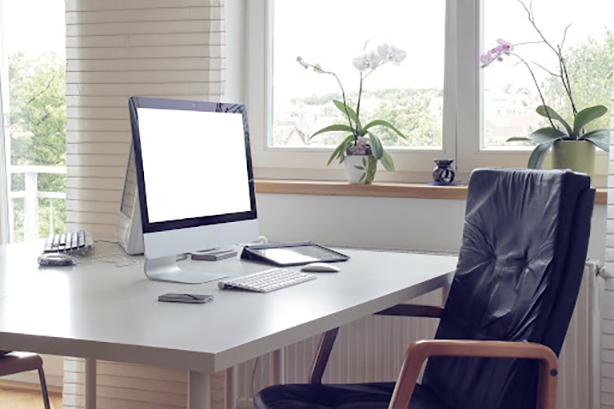
Are your team WFO or WFH today? Pre-pandemic, few of us had a choice. We worked from the office. Then Covid hit and suddenly we all found ourselves at home, replying to emails from spare rooms.
Two years on, most companies have moved to hybrid working with staff dividing their working week between the office and home. This flexible option brings numerous perks both for employer and employee.
Around 78 per cent of UK workers who have worked from home said it improved their work-life balance. It also cuts the cost of commuting every day and can lead to increased focus. Meanwhile, businesses reap benefits including lower overheads, a more motivated workforce and increased productivity.
Hybrid working is, perhaps, the best of both worlds. But that doesn’t mean it always runs smoothly. Whether it’s managing staff schedules or small children interrupting video calls sometimes it can be challenging to ensure hybrid working is working for you.
Fortunately, there are many ways in which we can better manage the balance between home and office.
Make time for team activities
With staff split between home and office there’s less opportunity for casual interactions and connection – so-called ‘watercooler moments’. This reduced level of contact can lead to feelings of isolation. During lockdown nearly half of remote workers reported that they felt lonely. Employers can help combat this by agreeing on days when everyone will be in the office; arranging virtual happy hours or planning traditional staff away days.
Invest in the right equipment
Figures show that 7 in 10 employees don’t have what they need to work effectively. One study even found that people spend longer waiting for outdated tech to work than they do on holiday every year. So for maximum productivity and staff satisfaction it’s important to ensure everyone in your team has the tools to get the job done, whether that’s faster wifi, an upgraded laptop or an ergonomic office chair.
Separate home and work
It’s hard to switch off at the end of the day when you’re just getting up from the kitchen table. That’s one of the reasons it’s recommended that anyone working from home for the majority of the week creates a separate space for it. While spare rooms are popular makeshift offices, many people now prefer a purpose-built garden office of loft conversion. These practical options offer an ideal way of adding office space without the hassle of moving and may add value to your property when you do come to sell.
Take regular breaks
You shouldn’t feel guilty about stopping for a cup of tea when working remotely. In fact, breaks are essential to maintaining productivity and beating burnout – so long as you spend them wisely. Rather than scrolling through social media or shopping online, experts advise getting away from your desk and going for a walk, meditating or indulging in some daydreaming.
Experiment and adapt processes
Hybrid working is a popular model that isn’t going away any time soon. But it’s important to remember we are all adjusting to what is a relatively recent development. Both managers and employees should feel able to make tweaks to their routines and processes where needed. What works for one person won’t always work for another and what worked last year may not work this year. Don’t be afraid to play around with things until they work for everyone.